
Get Handicap Ramp Installation in Cincinnati, OH
Handicap ramp installation services help property owners in Cincinnati, OH, and nearby areas by providing accessible ramps to improve mobility and ease entry for individuals with disabilities.
Handicap ramp installation services are essential for property owners in Cincinnati, OH seeking to improve accessibility and ensure safe movement for individuals with mobility challenges. Installing a well-designed ramp enhances the overall functionality of a property, making it easier for residents, visitors, or clients to access entrances without difficulty. These ramps are built to withstand daily use, offering durability and reducing the need for frequent repairs or replacements, which helps maintain a property’s value and appearance over time.
Beyond practicality, handicap ramps contribute to a property’s curb appeal by providing a clean, professional look that seamlessly integrates with existing architectural features. They also promote safety by minimizing the risk of trips or falls, especially during inclement weather. Many property owners consider these installations to boost comfort and independence for those with mobility needs, creating an inclusive environment that reflects thoughtful planning and attention to accessibility. Connecting with local service providers can help find the right solutions tailored to specific property requirements.
- Residential homes - individuals needing accessible entryways for daily living may require handicap ramp installation.
- Commercial properties - businesses seeking to improve accessibility for customers or employees with mobility challenges might consider ramps.
- Public facilities - government or community buildings may need ramps to comply with accessibility standards.
- Multi-family housing - apartment complexes or condos may install ramps to accommodate residents with disabilities.
- Healthcare facilities - clinics and hospitals often require ramps to ensure safe and easy access for patients and staff.
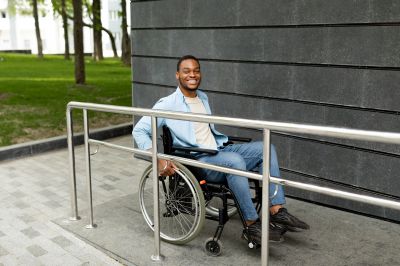
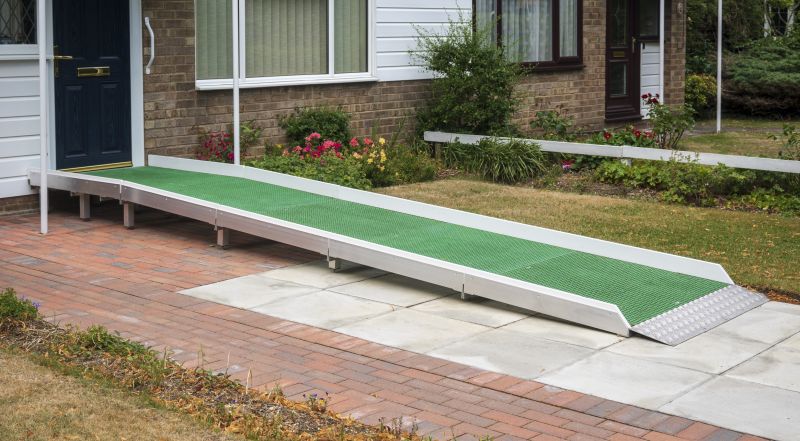
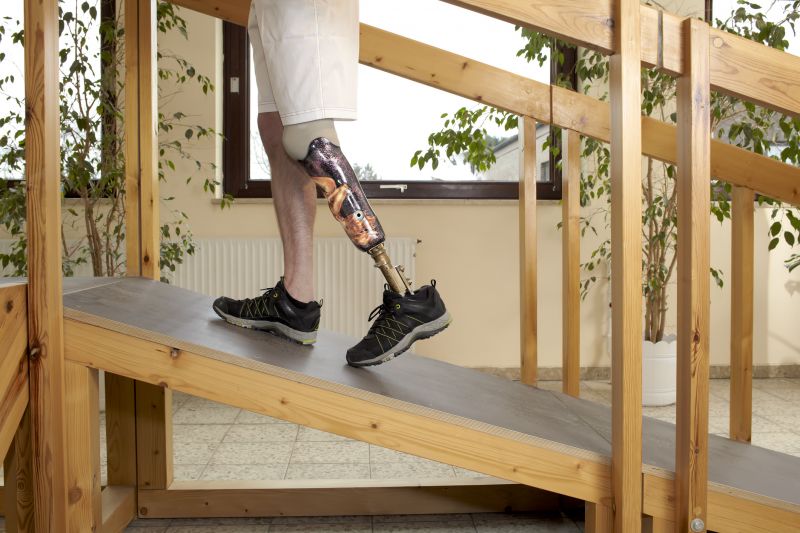
Handicap ramp installation services involve the design and construction of accessible ramps that facilitate easier movement for individuals with mobility challenges. These services typically include assessing the property to determine the best placement and type of ramp, selecting appropriate materials, and ensuring the structure complies with relevant accessibility standards. The goal is to create a safe, stable, and functional pathway that connects entry points to the ground level, allowing for smooth transitions for wheelchairs, walkers, or other mobility aids.
This service helps address common accessibility problems faced by individuals with limited mobility, such as difficulty navigating stairs or uneven surfaces. Installing a handicap ramp can significantly improve independence and safety by reducing the risk of falls and making daily activities more manageable. It also helps property owners meet accessibility requirements, which can be essential for compliance with local regulations or for accommodating visitors with mobility needs.
Properties that typically utilize handicap ramp installation services include residential homes, especially those with elderly or disabled residents, as well as commercial buildings, public facilities, and multi-unit housing. In residential settings, ramps provide easier access to the front or back entrances, garages, or patios. For commercial properties, ramps are often installed at storefronts, offices, or community centers to ensure that all visitors can enter comfortably and safely.
Professional handicap ramp installation services are provided by specialists who understand the importance of proper design and construction. They work with property owners to select the right type of ramp-such as portable, modular, or permanent structures-based on the specific needs of the property. These experts ensure that the ramps are securely anchored, level, and constructed with durable materials suitable for outdoor or indoor use, helping to create accessible environments for everyone.
The overview below groups typical Handicap Ramp Installation projects into broad ranges so you can see how smaller, mid-sized, and larger jobs often compare in Cincinnati, OH.
In many markets, a large share of routine jobs stays in the lower and middle ranges, while only a smaller percentage of projects moves into the highest bands when the work is more complex or site conditions are harder than average.
Material Costs - The cost of materials for handicap ramp installation typically ranges from $50 to $200 per linear foot. For example, a 10-foot ramp may cost between $500 and $2,000 depending on the materials chosen. Variations depend on the type of ramp and quality of supplies used.
Labor Expenses - Labor costs for installing a handicap ramp usually fall between $300 and $1,500 per project. Larger or more complex ramps tend to increase labor expenses, especially in areas like Cincinnati, OH. The total cost can vary based on site accessibility and complexity.
Permitting and Permitting Fees - Some localities may require permits for ramp installation, which can add $50 to $300 to the overall cost. Permit fees depend on local regulations and the scope of the project, influencing the final price for installation services.
Additional Features - Installing features such as handrails or non-slip surfaces can add $200 to $800 or more to the project cost. These enhancements improve safety and accessibility but may increase the total expense depending on the options selected.
Actual totals will depend on details like access to the work area, the scope of the project, and the materials selected, so use these as general starting points rather than exact figures.
Commercial Building Projects - Local contractors provide handicap ramp installation services for commercial properties to improve accessibility for customers and employees.
Residential Accessibility Upgrades - Service providers assist homeowners in installing ramps that enhance mobility and comply with accessibility needs within private residences.
Public Facility Improvements - Local pros work on public buildings to add or upgrade handicap ramps, ensuring compliance with accessibility standards for community spaces.
New Construction Projects - Contractors incorporate handicap ramps into new building designs to meet accessibility requirements from the outset.
Retrofitting Existing Structures - Service providers retrofit or modify existing facilities by installing handicap ramps to improve access for individuals with mobility challenges.
Accessibility Compliance Projects - Local specialists assist in installing ramps as part of compliance efforts for various buildings to meet accessibility regulations.
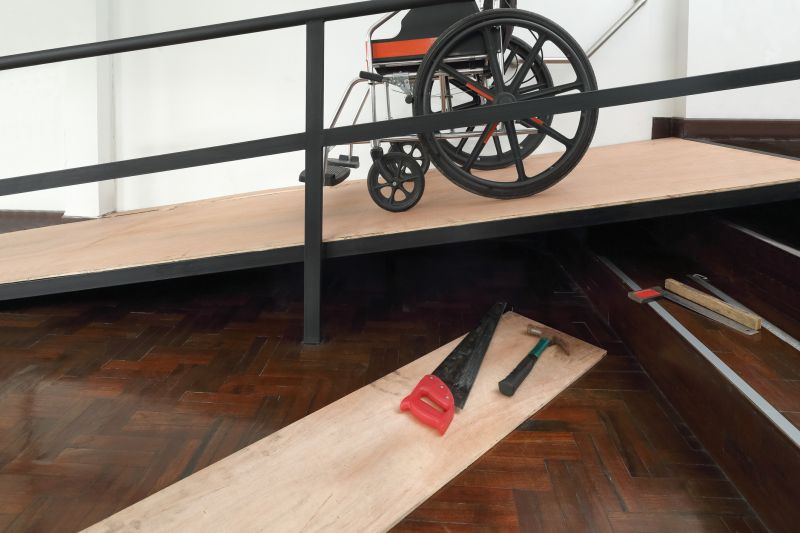
When selecting a contractor for handicap ramp installation, it is important to consider their level of experience with similar projects. Homeowners should look for local service providers who have a proven track record of successfully completing ramps that meet accessibility needs. Experienced pros are often better equipped to handle unique site conditions and can offer insights into the most suitable materials and designs for specific requirements. Verifying a contractor’s history with handicap ramp projects can help ensure that the work will be performed efficiently and effectively.
Clear communication and well-defined written expectations are essential when working with a local contractor. Homeowners should seek providers who are transparent about their scope of work, materials, and any potential limitations. Establishing detailed expectations in writing can help prevent misunderstandings and ensure that both parties are aligned on the project goals. A reputable contractor will be willing to discuss project details thoroughly and provide documentation that outlines the agreed-upon work, timelines, and responsibilities.
Reputation and references from previous clients can serve as valuable indicators of a contractor’s reliability and quality of work. Homeowners are encouraged to ask for references or reviews from local residents who have completed handicap ramp projects with the contractor. Reputable service providers often have a history of positive feedback and can demonstrate their professionalism through prior work. Additionally, effective communication throughout the project - including responsiveness to questions and updates - helps foster a smooth process and can contribute to a successful outcome.
Property owners in Cincinnati, OH use Handicap Ramp Installation services for practical projects around their homes and businesses. The sections below highlight everyday jobs and straightforward project options.
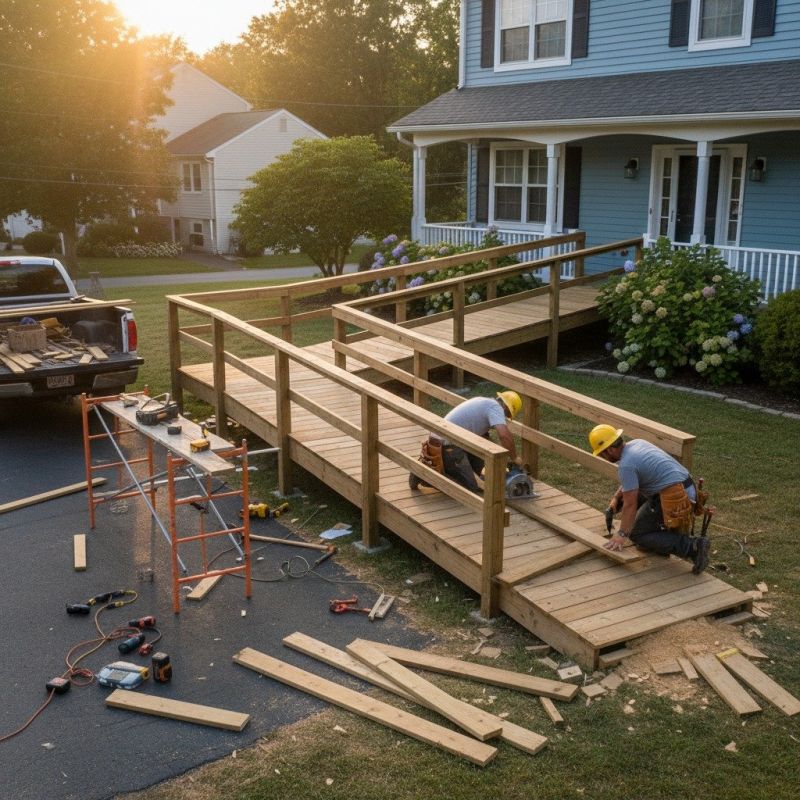
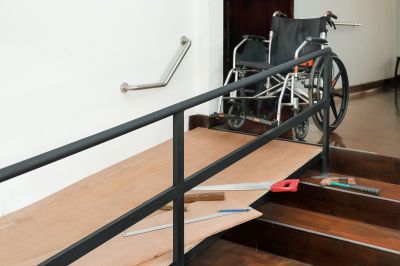
Handicap ramp installation services are often sought by property owners in Cincinnati, OH, who want to improve accessibility for residents, visitors, or staff members with mobility challenges. Whether a home needs a wheelchair ramp to facilitate daily movement or a commercial property requires an accessible entrance for customers or employees, local contractors can provide solutions that meet specific needs. These projects are common in situations where existing steps or uneven surfaces pose barriers, making it easier for individuals with mobility devices to navigate indoor and outdoor spaces safely and comfortably.
Property owners may also look for handicap ramp installation when planning renovations or modifications to accommodate aging family members or visitors with disabilities. In Cincinnati's neighborhoods and commercial districts, accessible entryways can enhance independence and ensure compliance with accessibility standards. Local service providers can assist with evaluating site conditions, designing appropriate ramps, and handling installation to help make properties more inclusive and functional for everyone.
What types of handicap ramps are available for installation? Local service providers can install various types of ramps, including portable, modular, and custom-built options to suit different accessibility needs.
How long does it typically take to install a handicap ramp? Installation times vary based on the type and complexity of the ramp, but most projects can be completed within a few hours to a day by local contractors.
Are there any building codes or regulations for handicap ramp installation? Local pros are familiar with regional building codes and accessibility standards that may apply to handicap ramp installations.
What materials are commonly used for handicap ramps? Common materials include aluminum, wood, and composite materials, chosen based on durability, aesthetics, and budget considerations.
Can a handicap ramp be customized for specific space requirements? Yes, local service providers can design and build custom ramps tailored to fit unique spaces and individual accessibility needs.
Handicap Ramp Installation Services - Local service providers can assist with designing and installing accessible ramps tailored to individual needs.
Custom Ramp Solutions - Pros offer a variety of ramp options, including portable and permanent structures, to improve mobility and accessibility.
Accessibility Enhancements - Experienced contractors can evaluate spaces and recommend appropriate ramp solutions for homes and businesses.
Professional Installation Support - Contact local experts to ensure ramps are installed safely and meet accessibility requirements.
Considering Handicap Ramp Installation for a property in Cincinnati, OH? The sections above highlight common project types, practical options, and details that often shape the scope of work.
When you are ready, use the quote form to share a few details about your project. Local pros can review the basics and respond with options that match what you have in mind.